
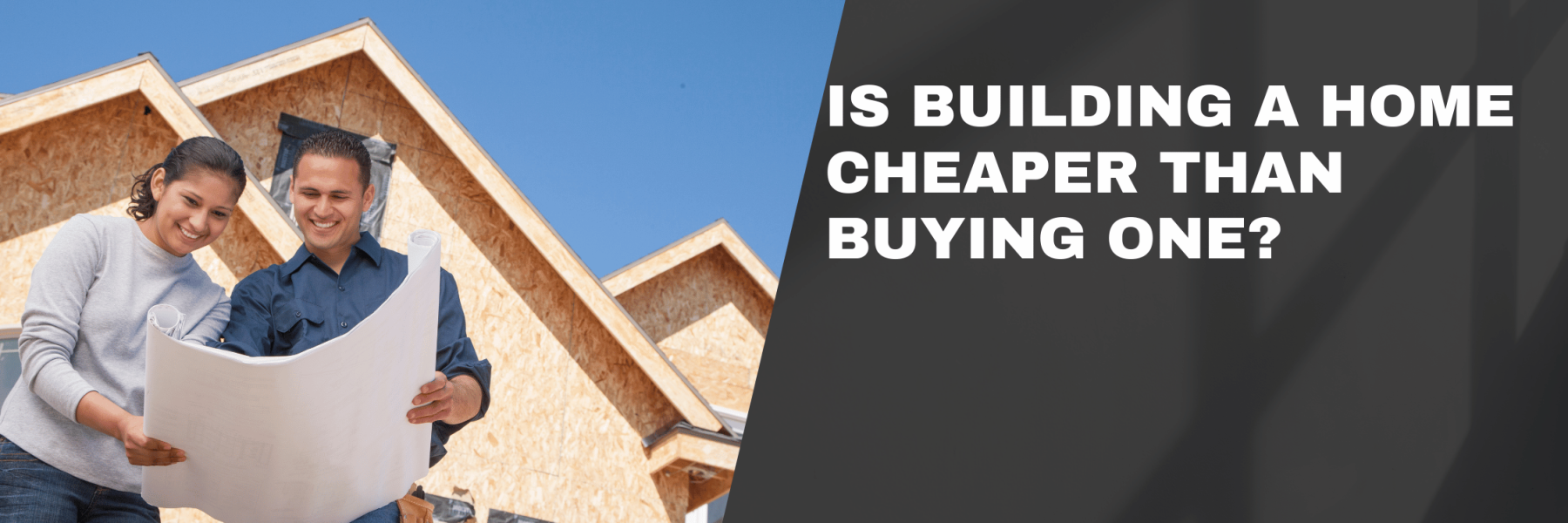
The decision between building a home and buying an existing one is a major financial and lifestyle choice. In Melbourne, where property prices continue to rise, many people are considering whether constructing a home from scratch is a more cost-effective option. While buying an existing home provides immediate convenience, building offers the ability to create a space tailored to personal preferences. However, the cost differences between the two are not always straightforward.
In this article, we will examine the financial aspects, long-term value, and hidden costs associated with both options to help you determine which might be the better investment.
Financial Differences
The Cost of Buying an Existing Home
Purchasing a house in Melbourne involves several costs beyond the listing price. Factors such as location, size, and market demand significantly impact home prices. The closer a property is to the city, the more expensive it is, especially in sought-after suburbs.
Key costs associated with buying a home include:
- Stamp duty: A substantial expense that varies based on property value.
- Legal and conveyancing fees: Necessary for ensuring a smooth property transfer.
- Inspection costs: Building and pest inspections can reveal hidden issues that might require costly repairs.
- Maintenance and renovations: Older homes often need updates to meet modern standards.
While buying is generally faster, the initial price is not the only factor to consider. Ongoing expenses such as maintenance, potential renovations, and energy inefficiencies can add up over time.
The Cost of Building a New Home
Constructing a home comes with different financial commitments, starting with purchasing land. The cost of land in Melbourne’s inner suburbs is a key factor, as prime locations can be expensive. However, once land is secured, other costs include:
- Design and architectural fees: Working with professionals to create a home suited to specific needs.
- Permit and approval costs: Council approvals and regulatory fees must be factored into the budget.
- Construction expenses: This includes labor, materials, and contractor fees.
- Unexpected site costs: Soil conditions, leveling, and foundation requirements can lead to additional expenses.
Although the upfront investment in a custom-built home may be higher, the long-term financial benefits often outweigh the initial cost. Modern materials, efficient designs, and energy-saving technologies can contribute to lower operational expenses.
Customization vs. Convenience
Buying a Home: The Limits of Pre-Existing Designs
Purchasing an existing house means adapting to a layout and design chosen by someone else. While minor modifications can be made, major renovations can be costly and time-consuming. Many older homes in Melbourne require significant work to meet current energy efficiency standards or to update outdated features.
Key challenges include:
- Limited flexibility: Changing structural elements like room sizes or layouts can be complex.
- Potential renovation costs: Updating kitchens, bathrooms, and flooring can add tens of thousands to the final expense.
- Unknown issues: Hidden problems such as plumbing or electrical issues may only become apparent after purchase.
Building a Custom Home: A Tailored Living Experience
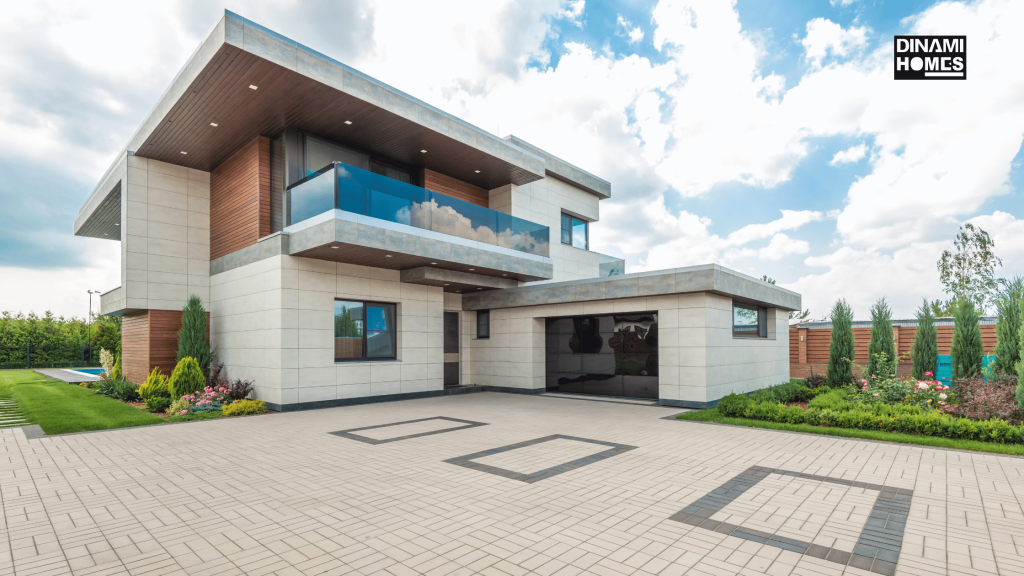
Designing a home from the ground up allows for complete control over layout, materials, and finishes. It provides the opportunity to create a living space that aligns with personal preferences and future needs.
Some advantages include:
- Efficient use of space: Every square meter can be designed with purpose.
- Modern aesthetics: Homes can be built with contemporary styles and high-quality finishes.
- Future-proofing: Smart home technology, solar panels, and sustainable materials can be integrated from the start.
A well-designed custom home eliminates the need for costly renovations down the line, making it a worthwhile investment.
Energy Efficiency and Sustainability Considerations
The Downside of Older Homes
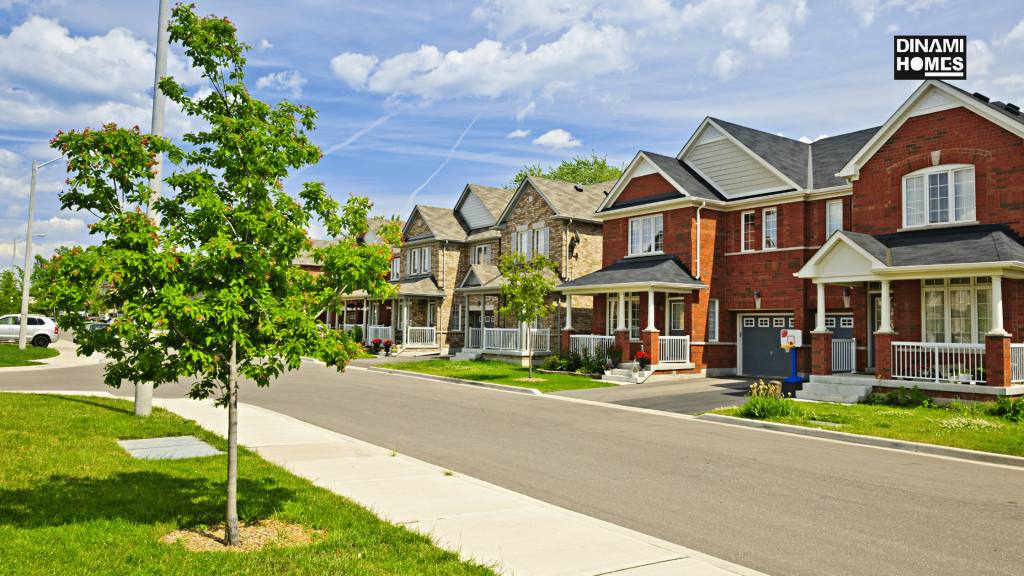
Many existing houses were built decades ago when energy efficiency was not a primary concern. As a result, homeowners often face:
- Poor insulation, leading to higher heating and cooling costs.
- Outdated windows and doors that cause temperature fluctuations.
- Inefficient lighting and appliances that increase electricity bills.
Upgrading an older home to meet modern energy standards can be expensive, especially if it requires major structural changes.
Building for Efficiency
New homes can be designed with sustainability in mind from the beginning. This not only reduces the environmental impact but also lowers long-term energy costs. Some key benefits of building include:
- High-performance insulation: Better temperature control and lower energy bills.
- Solar energy integration: A sustainable power source that reduces reliance on the grid.
- Water-saving features: Rainwater harvesting systems and efficient plumbing fixtures.
With Melbourne’s growing focus on sustainability, a newly built home can align with future energy regulations, avoiding the need for expensive upgrades.
Hidden Costs and Financial Considerations
Comparing Loan Options
The financial structure of purchasing a home differs from financing a construction project.
- Traditional Home Loans:
- Standard mortgage with fixed or variable interest rates.
- Immediate repayments after purchase.
- Construction Loans:
- Funds are released in stages as construction progresses.
- Interest payments only apply to the amount drawn, reducing initial financial strain.
While construction loans require more documentation and progress inspections, they offer greater flexibility in managing expenses.
The Long-Term Investment Perspective
An existing home’s value is tied to market conditions and location. However, properties that require extensive renovations or have inefficient designs may struggle to retain their worth.
Custom-built homes, on the other hand, are designed for modern living, increasing their desirability in the market. A well-planned home in a prime location can see significant appreciation, making it a strong long-term investment.
Timeframe and Practicality
Buying a Home: Faster Move-In but Possible Compromises
One advantage of purchasing an existing property is the ability to move in almost immediately after settlement. However, this convenience comes with risks, including unforeseen maintenance issues and renovation delays.
Building a Home: A Longer Process but Greater Control
Constructing a home takes time, often several months from design approval to completion. However, working with an experienced builder ensures the process remains smooth and on schedule. The wait may be longer, but the result is a home that meets all personal and functional needs.
Final Thoughts: Which Option Is More Cost-Effective?
There is no one-size-fits-all answer to whether building a home is cheaper than buying one. The decision depends on factors such as:
- Budget: Upfront costs vs. long-term financial benefits.
- Customization needs: Desire for a personalized living space.
- Energy efficiency goals: Cost savings from sustainable designs.
- Market conditions: Property values and land availability in Melbourne.
For those who prioritize modern living, energy efficiency, and tailored designs, building a home presents a strong financial and lifestyle advantage. If you are considering constructing your own home in Melbourne, Dinami Homes offers expert guidance to bring your vision to life.
Ready to explore custom home building?
Contact Dinami Homes today for a consultation and discover how we can help create a high-quality, sustainable home designed specifically for you.


